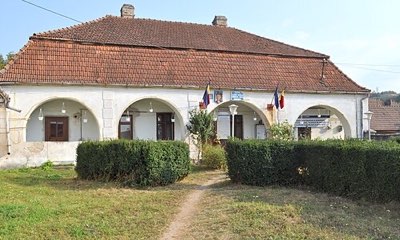
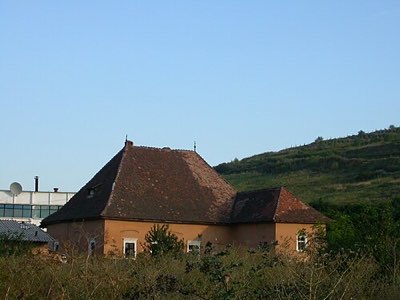
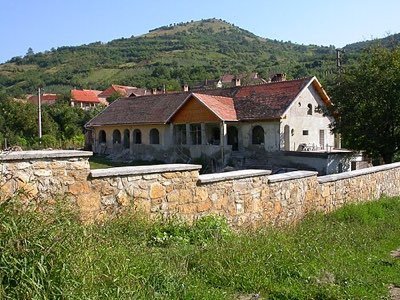
Martinuzzi Castle, Vințu de Jos
Castelul Martinuzzi (ruine) · Martinuzzi-kastély (Alvinc)
sat Vințu de Jos; comuna Vințu de Jos, Alba · Str. Eminescu Mihai 27
A directory lists it as visitable, but the ruin is unsafe, with a risk of collapse
Summary
A Renaissance castle in Vințu de Jos (Alba County), begun for George Martinuzzi in 1546-1551 and expanded for Prince Gábor Bethlen in 1615-1617, where Martinuzzi was assassinated in 1551. It is a roofless, partly collapsed ruin owned by the Roman Catholic Archdiocese of Alba Iulia, which won a 2024 grant for a restoration project.
History
The castle was built from 1546 to 1551 by George Martinuzzi using stone from an older Dominican monastery. Martinuzzi was assassinated inside it on 16-17 December 1551 on the orders of General Castaldo. Prince Gábor Bethlen expanded it in 1615-1617 to a design by the Italian architect Giacomo Resti, but the plan was never finished and only two wings, corner bastions and connecting walls were built. Ottoman-Tatar troops burned it in 1658-1661, and from 1715 it belonged to the Alba Iulia Catholic Chapter, serving as an episcopal summer residence; a fire in 1792 nearly destroyed it. Under communism it was used as a granary, store and meat plant; wings were demolished in 1932 and the roof and vaults of the northern wing collapsed in 1981. In March 2024 the Archdiocese of Alba Iulia obtained a 200,000 lei grant from the National Heritage Institute for a project to restore and secure the ruin and fit it out as a cultural hub.
Sources & links
Found a mistake, or know more about this building? Write to us at contact@conace.eu.