Apafi Castle, Dumbrăveni
Castelul Apafi · Apafi-kastély (Erzsébetváros)
oraș Dumbrăveni, Sibiu · Str. Cuza Vodă 4
Wikimapia outline “Castelul Apafi - Muzeul Armenilor Transilvăneni” (user-drawn, approximate)
Listed as visitable with no hours given; an exhibition opened in 2010. Check locally.
Summary
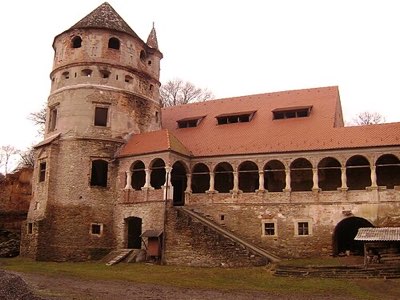
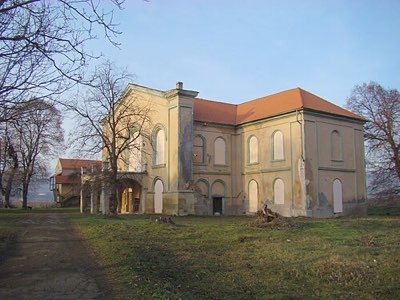
A Renaissance castle begun by Gergely Apafi in the 1550s and reaching its final form in the late 17th century, when Prince Mihály Apafi I lived there. Bought by the Armenian community in the 18th century, it is now municipal property, only partly restored and hosting an exhibition on Transylvanian Armenians.
Legal status
Treasury property after 1713; bought by the Armenian community in 1726; Bethlen won a lawsuit in 1776 but were compensated with other estates ↗
History
Gergely Apafi (III) began the castle; the eastern and southern wings were built in 1552-1564. The northern wing was most likely completed under Miklós Apafi. Prince Mihály Apafi I (reigned 1661-1690) lived there and the western wing was added at the end of the 17th century. After Mihály Apafi II died childless in 1713 the estate went to the treasury, and in 1726 the Armenian community bought it. The Bethlen family litigated for the estate until 1776 and won, but the Armenian community had already bought the castle, and the Bethlens received other estates from the treasury as compensation. From the 19th century it housed a court, prosecutor's office, prison and archive, and in the communist period a school and boarding facility. Part was restored in the 2010s, and the Armenian Museum Collection of Transylvania opened in rooms of the castle on 15 July 2010.
Transactions & prices
Sources & links
Found a mistake, or know more about this building? Write to us at contact@conace.eu.